The Future of Automated Geosteering
May 30, 2023· 2 minutes reading
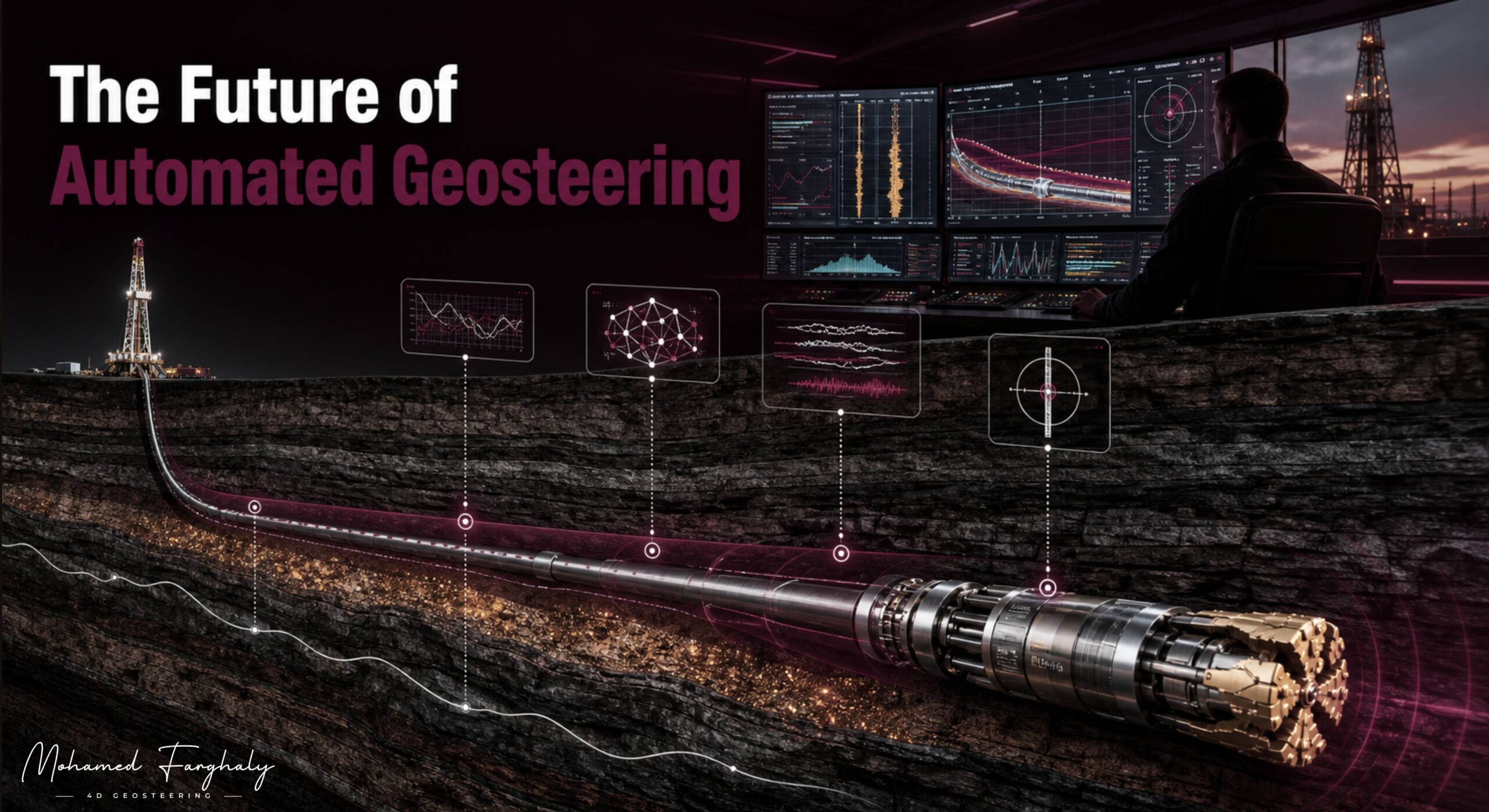
What if automated geosteering could adjust the well path faster than manual interpretation alone? This idea is no longer far from reality. In today’s oil and gas industry, data, algorithms, and real-time drilling systems are already changing how wells are planned, monitored, and steered.
Modern geosteering depends on continuous information from LWD, MWD, and surface drilling systems. However, the future takes this workflow further. Instead of waiting for manual updates, advanced systems can analyze incoming data instantly and recommend trajectory changes in real time.
The main advantage is speed. During directional drilling and horizontal well placement, teams must respond quickly to formation changes. Even a small delay can move the wellbore away from the most productive reservoir zone.
Automation helps reduce this delay. It processes real-time LWD data, compares it with geological models, and supports faster steering decisions. As a result, drilling teams can keep the well inside the target interval with greater consistency.
AI, Automation, and Human Expertise
Artificial intelligence and machine learning will play a major role in the future of geosteering. These tools can learn from offset wells, recognize patterns, and improve prediction quality over time.
For example, AI-assisted systems can compare current well responses with historical drilling data. Then, they can highlight possible formation changes before the well exits the target zone. This gives geosteering engineers more time to evaluate the situation and make better decisions.
However, automation does not remove the need for human expertise. Geological uncertainty, poor data quality, and unexpected reservoir behavior still require experienced interpretation.
The future of automated geosteering is not about replacing geosteerers. Instead, it is about giving them stronger tools. Automated systems can handle fast calculations, real-time updates, and pattern recognition, while experts focus on geological judgment and final decisions.
This hybrid approach creates a more reliable workflow. The system provides speed and consistency, while the geosteering team adds experience, context, and operational awareness.
As drilling becomes more data-driven, automation will become a standard part of geosteering operations. It will improve well placement, reduce uncertainty, and support more efficient reservoir navigation.
Automated geosteering is the next step in modern drilling. It connects real-time data, intelligent models, and expert decision-making into one powerful workflow.
🔗 Keywords
Drilling Rig, Drilling Mud, MWD, LWD, Directional Drilling, Geosteering, Well Placement, Oil Reservoir, Surface Logging, Borehole Imaging, Electromagnetic Resistivity LWD Tool, Bottom Hole Assembly, Study of Real-Time LWD Data, LWD Interpretation, Borehole Image Log, Dip Calculation Methods, Shale Gas Sweet Spot, Accurate Reservoir Boundary Detection, Machine Learning, Artificial Intelligence, The Future of Automated Geosteering, Ensemble-Based Well Log Interpretation, Digital Twins in Drilling, Remote Operations Centers