Remote Operations Centers
Dec 1, 2023· 3 minutes reading
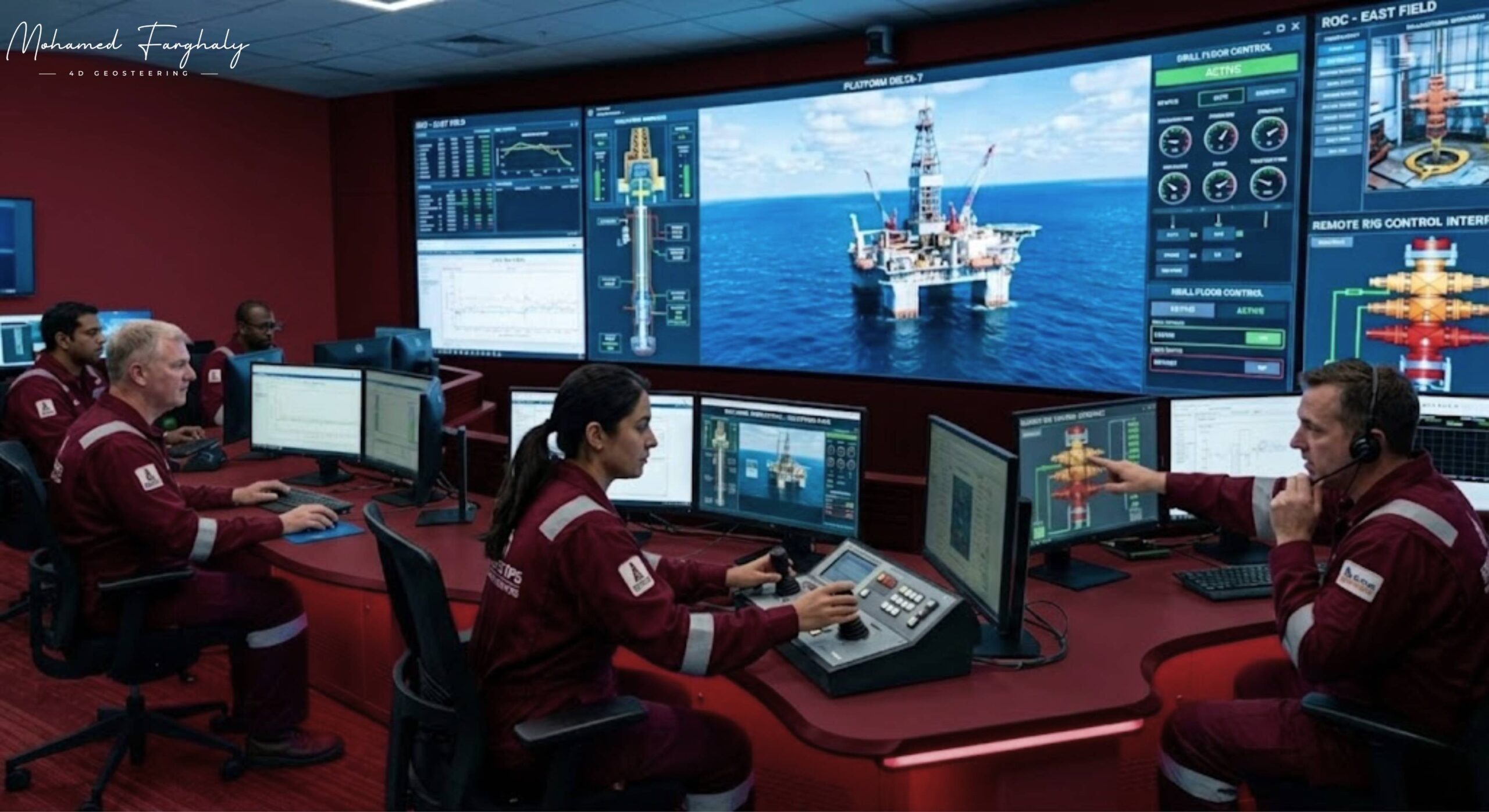
Remote Operations Centers in geosteering are changing how drilling teams monitor wells, interpret real-time data, and make steering decisions. Instead of depending only on people at the rig site, companies can now use centralized expert teams to support drilling operations from anywhere.
A Remote Operations Center, often called an ROC, connects geologists, drilling engineers, geosteerers, and data specialists in one digital environment. These teams receive live information from LWD tools, MWD measurements, surface sensors, and drilling parameters. This allows them to follow the well path, identify formation changes, and support faster decisions while drilling continues.
How Remote Operations Centers Support Geosteering
In directional and horizontal wells, small changes in trajectory can affect reservoir exposure and well performance. Remote teams help monitor these changes in real time. They compare live data with the geological model, review log responses, and communicate recommendations to the drilling team.
This improves decision speed because more than one expert can review the same data at the same time. It also improves consistency across wells, especially when companies drill multiple wells in the same field.
Why Real-Time Data Matters
Real-time data is the foundation of remote geosteering operations. LWD measurements such as gamma ray, resistivity, density, neutron porosity, and formation evaluation data help teams understand where the well is positioned inside the reservoir.
When the data shows a formation boundary, lithology change, or unexpected reservoir behavior, the remote team can react quickly. This helps reduce the risk of drilling out of zone and supports better well placement.
Benefits of Remote Operations Centers
Remote Operations Centers give drilling teams several important advantages. They improve collaboration between specialists, reduce delays in interpretation, and allow companies to use expert knowledge without sending every specialist to the rig.
They also support safer operations. Fewer people need to be physically present at the wellsite, while the technical team still has access to the information needed to guide the operation.
Another major benefit is scalability. One centralized team can support several wells or fields, depending on the workflow and available technology.
Technology Used in Remote Geosteering
Modern ROCs often use real-time dashboards, cloud platforms, communication systems, automated alerts, and advanced interpretation software. Some workflows also include AI-based tools, automated data checks, and digital models to support faster interpretation.
These tools do not replace geologists or geosteerers. They help specialists process more data, detect changes earlier, and make more confident decisions.
🔗 Keywords
Drilling Rig, Drilling Mud, MWD, LWD, Directional Drilling, Geosteering, Well Placement, Oil Reservoir, Surface Logging, Borehole Imaging, Electromagnetic Resistivity LWD Tool, Bottom Hole Assembly, Study of Real-Time LWD Data, LWD Interpretation, Borehole Image Log, Dip Calculation Methods, Shale Gas Sweet Spot, Accurate Reservoir Boundary Detection, Machine Learning, Artificial Intelligence, The Future of Automated Geosteering, Ensemble-Based Well Log Interpretation, Digital Twins in Drilling, Remote Operations Centers