Manual vs Automated Geosteering: Which Strategy Is Best ?
May 27, 2023· 3 minutes reading
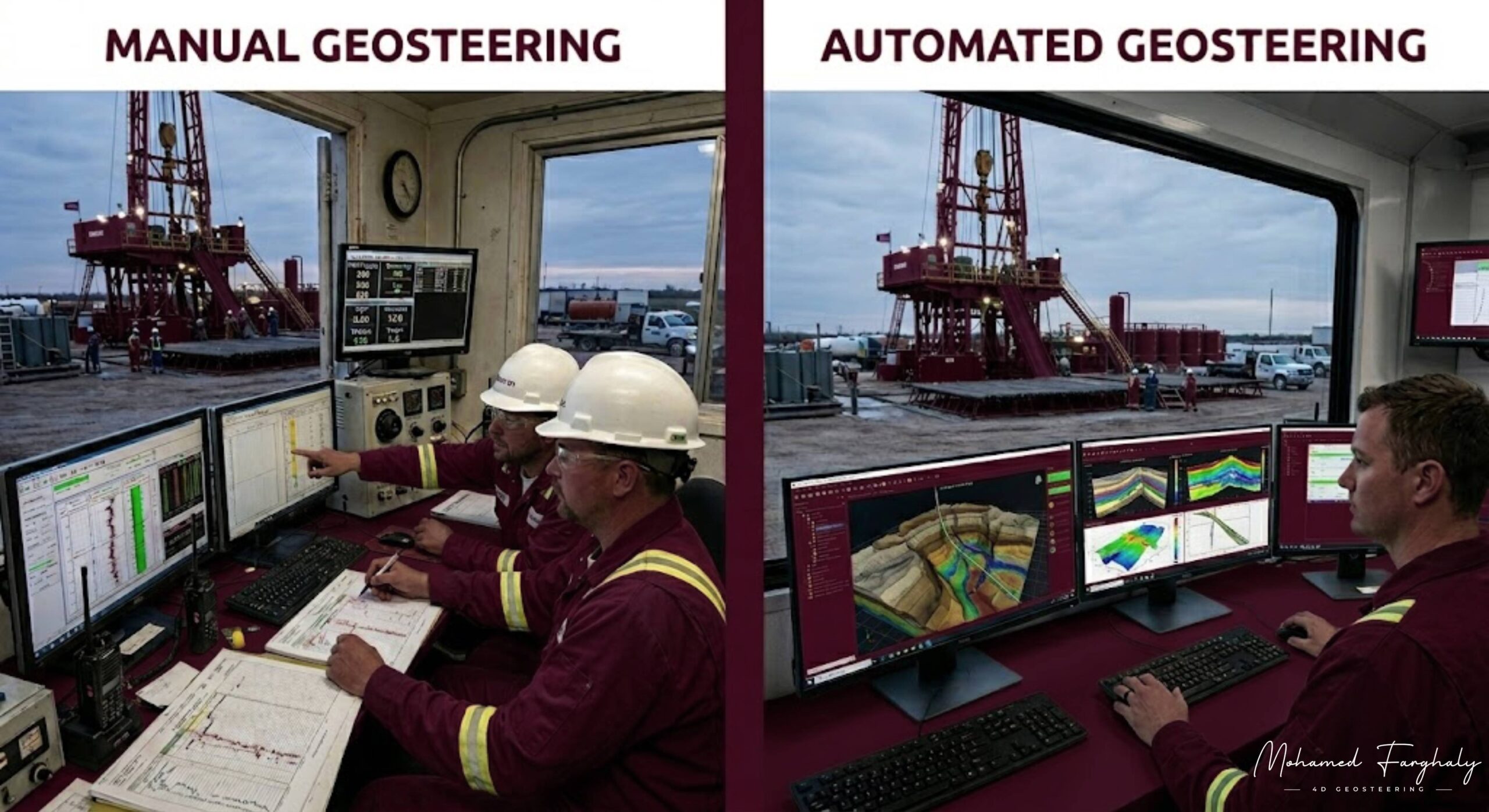
In the oil and gas industry, the ability to keep a wellbore accurately positioned within a productive reservoir can significantly impact production performance and project economics. Traditionally, this task has been performed by experienced geosteerers who analyze real-time data and make steering decisions based on their geological understanding. Today, however, geosteering automation is changing the way wells are drilled by introducing advanced algorithms, artificial intelligence, and automated decision-support systems.
While both approaches aim to maximize reservoir contact and improve drilling efficiency, they operate in very different ways and each has unique strengths and limitations.
Manual Geosteering: The Human-Driven Approach
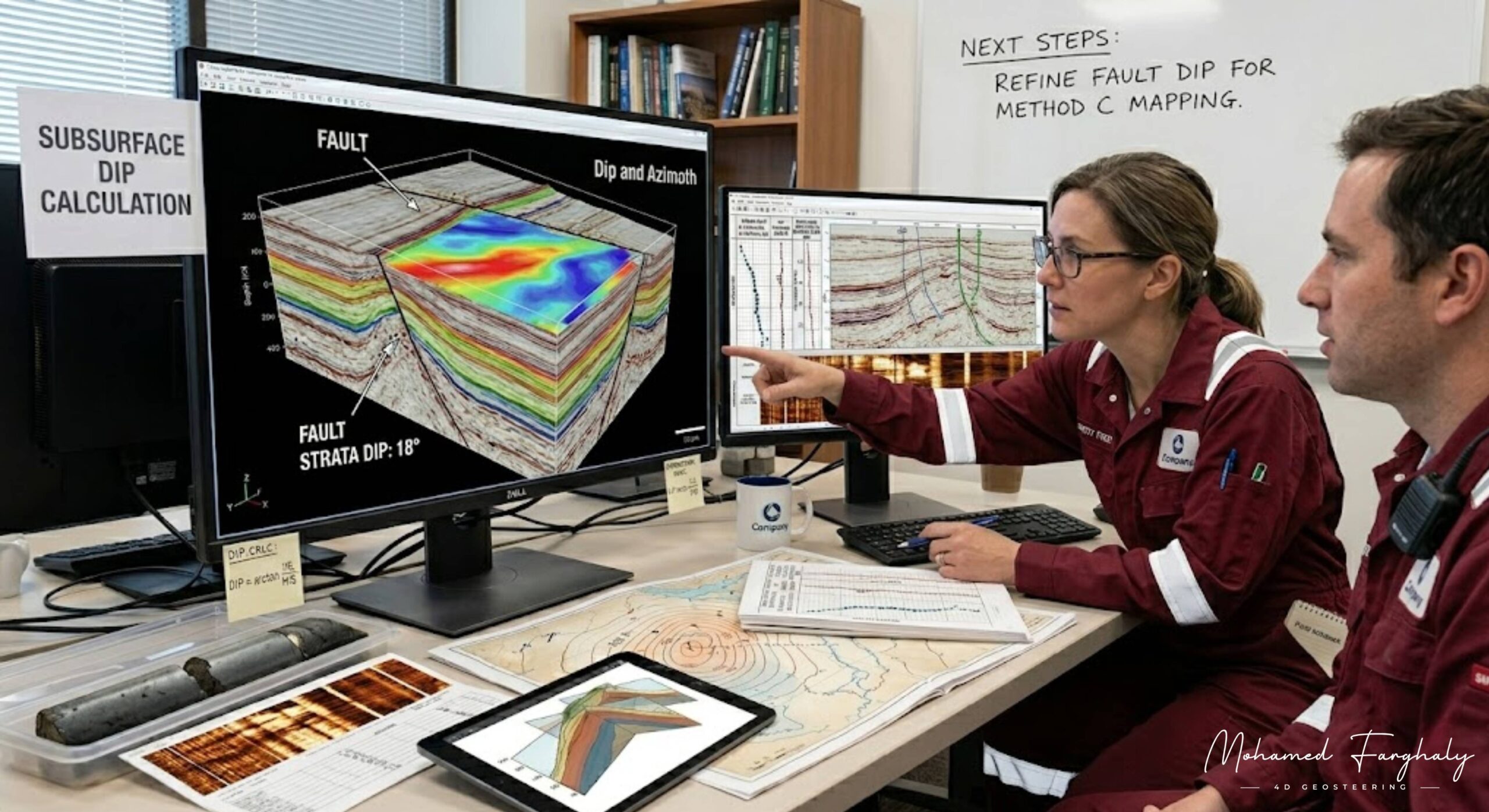
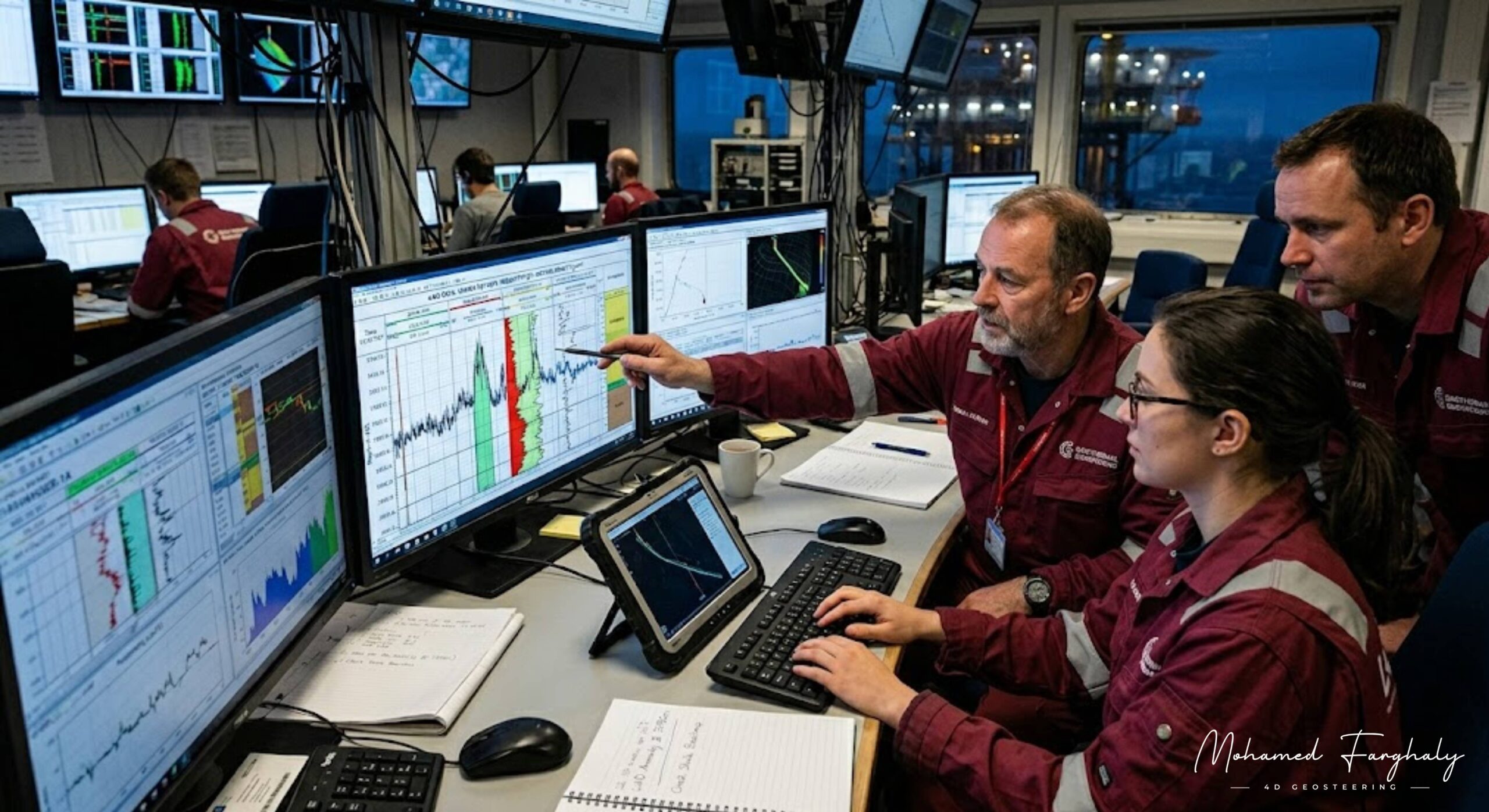
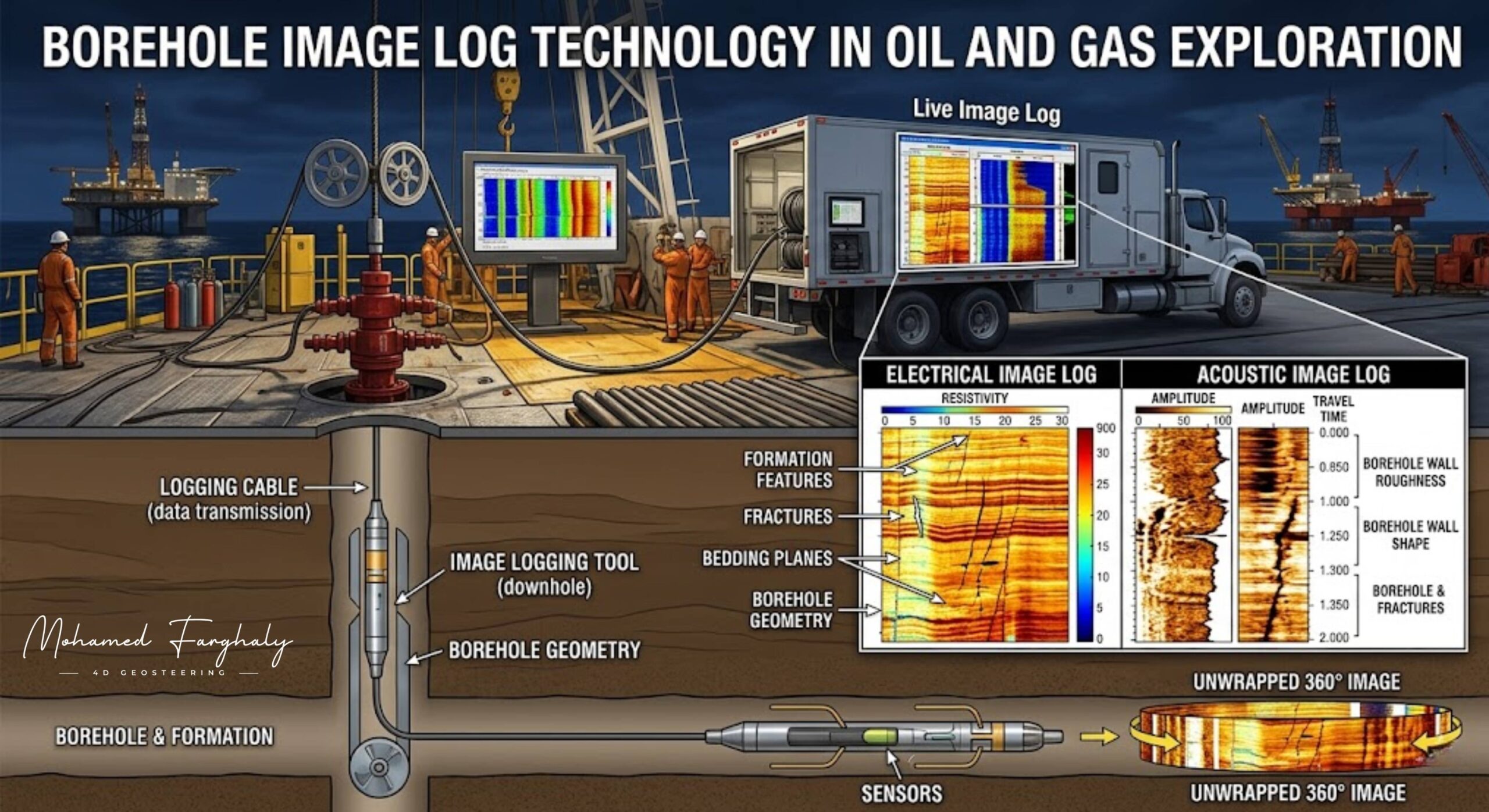
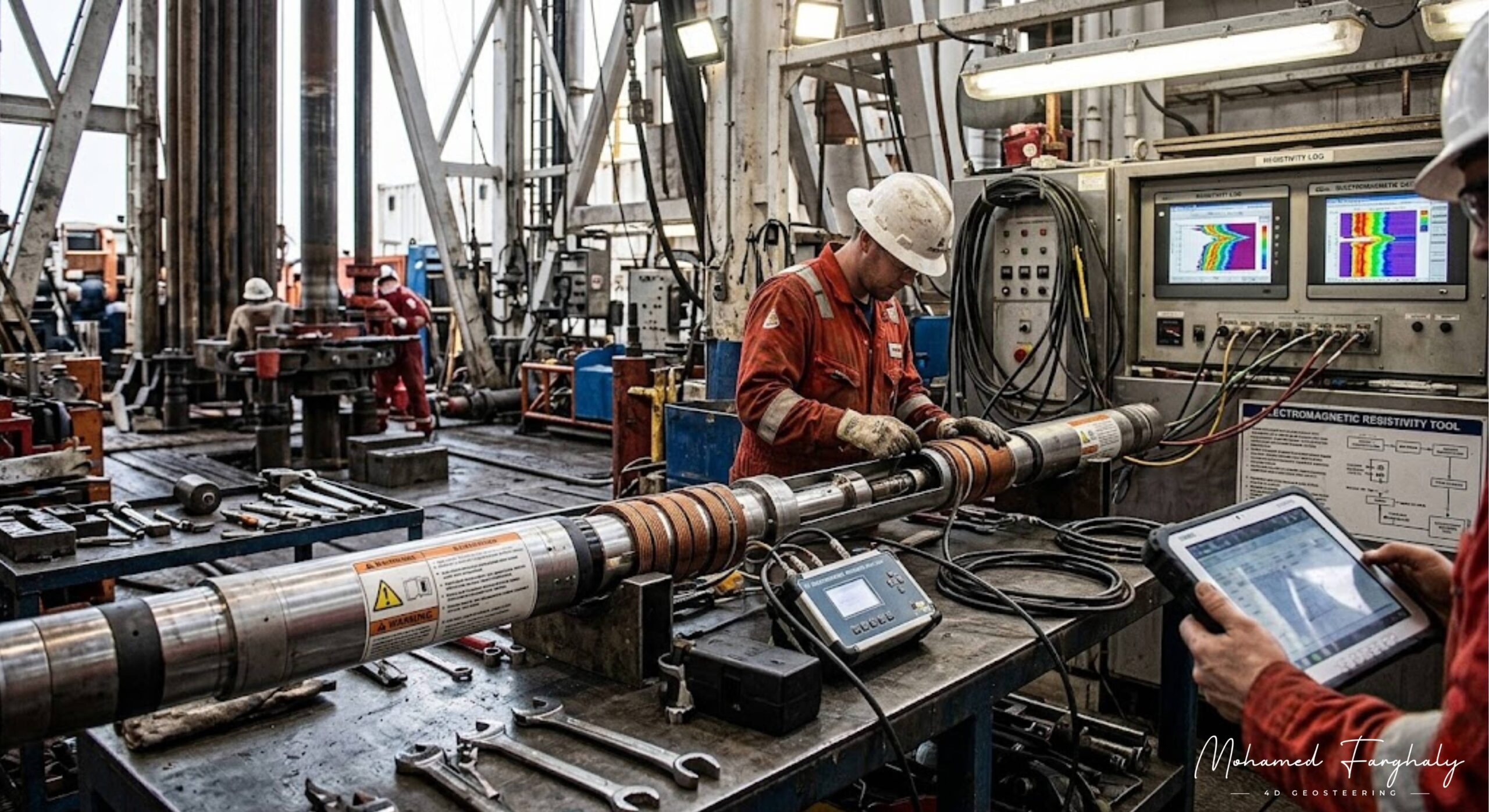
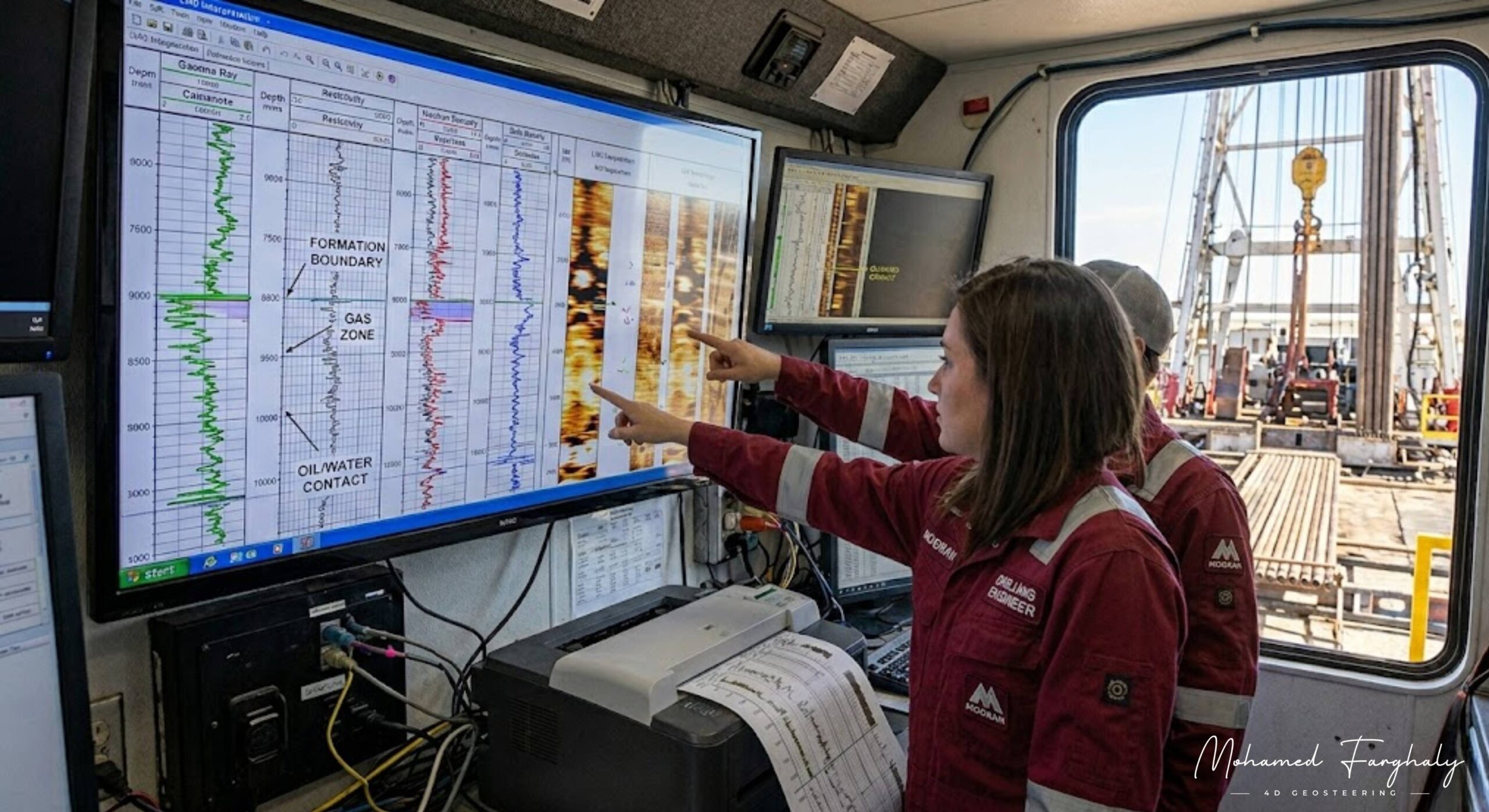
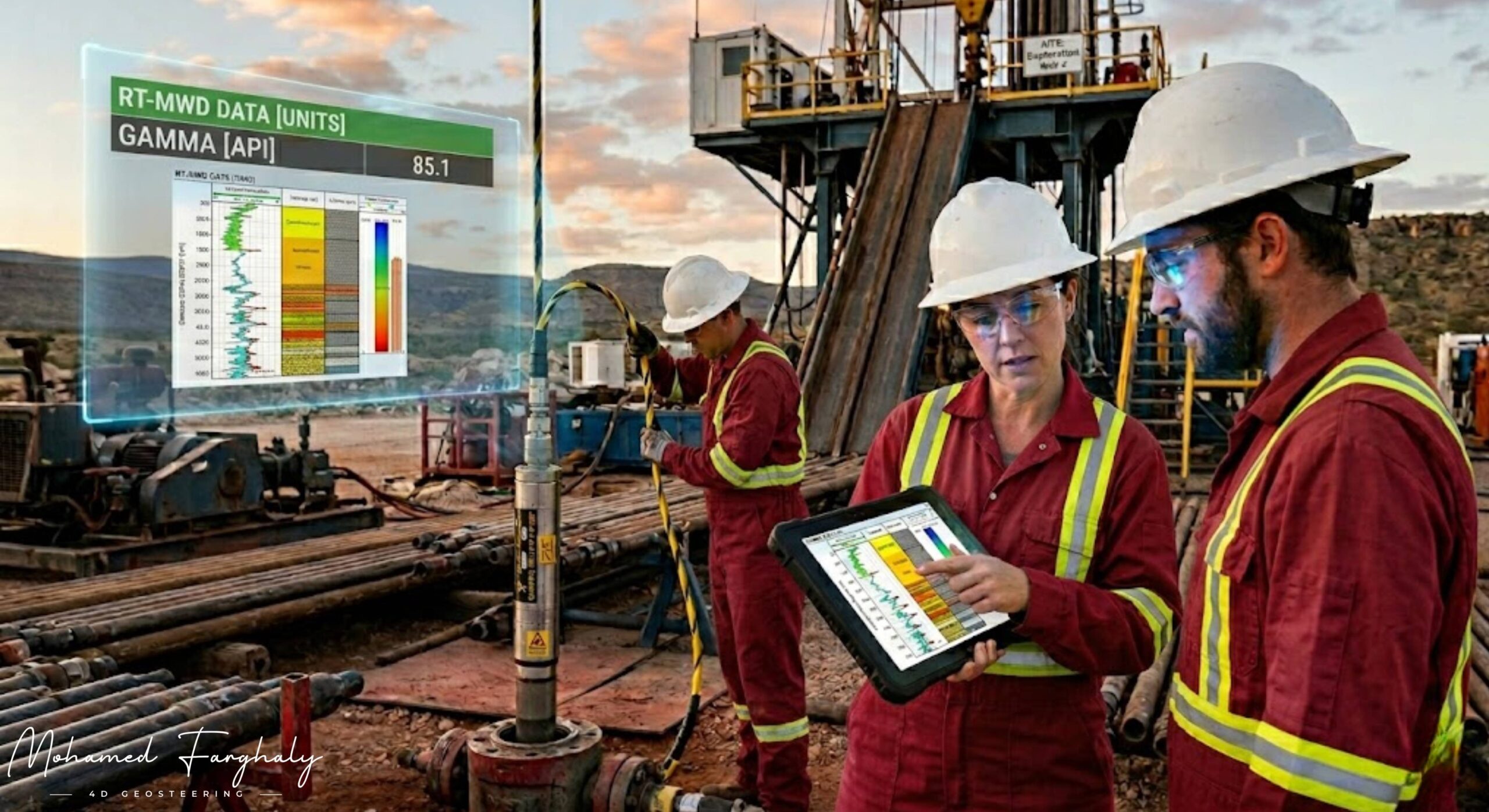
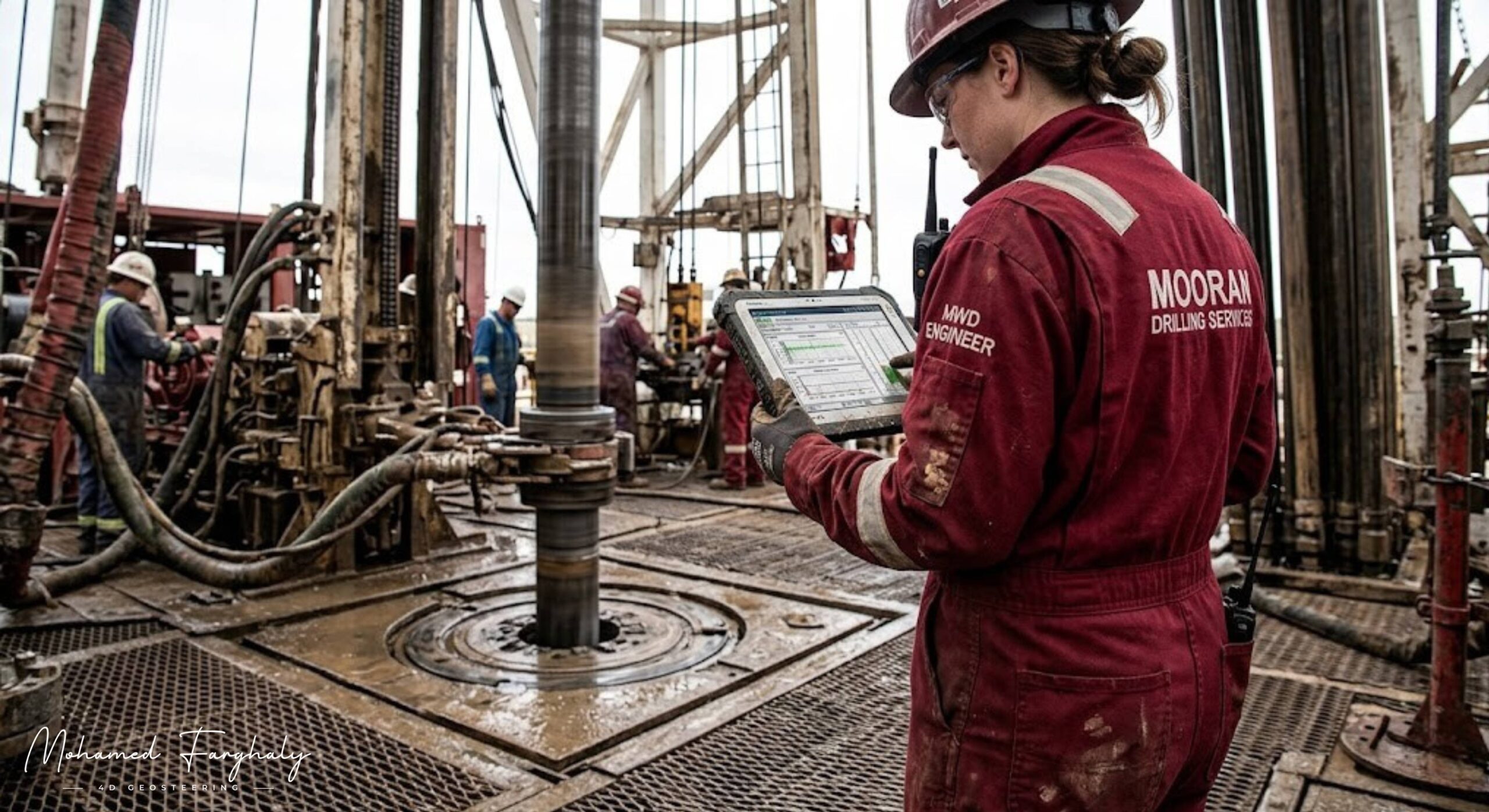
Manual geosteering relies on geologists and geosteering specialists to interpret Logging While Drilling (LWD) measurements, geological models, offset well data, and drilling information in real time. Based on their interpretation, they recommend trajectory adjustments to keep the well within the target formation.
One of the greatest strengths of manual geosteering is the ability to apply geological expertise and critical thinking. Experienced geosteerers can recognize subtle geological changes, identify unexpected formation behavior, and adjust interpretations when actual conditions differ from the pre-drill model.
Manual workflows are particularly valuable in reservoirs with complex structures, faulting, variable stratigraphy, or limited historical data. Human experts can integrate multiple sources of information and make decisions that go beyond predefined rules.
However, manual geosteering can be slower because every interpretation requires human analysis. It may also introduce variability since different geosteerers can reach different conclusions when reviewing the same data.
Automated Geosteering: The Technology-Driven Approach
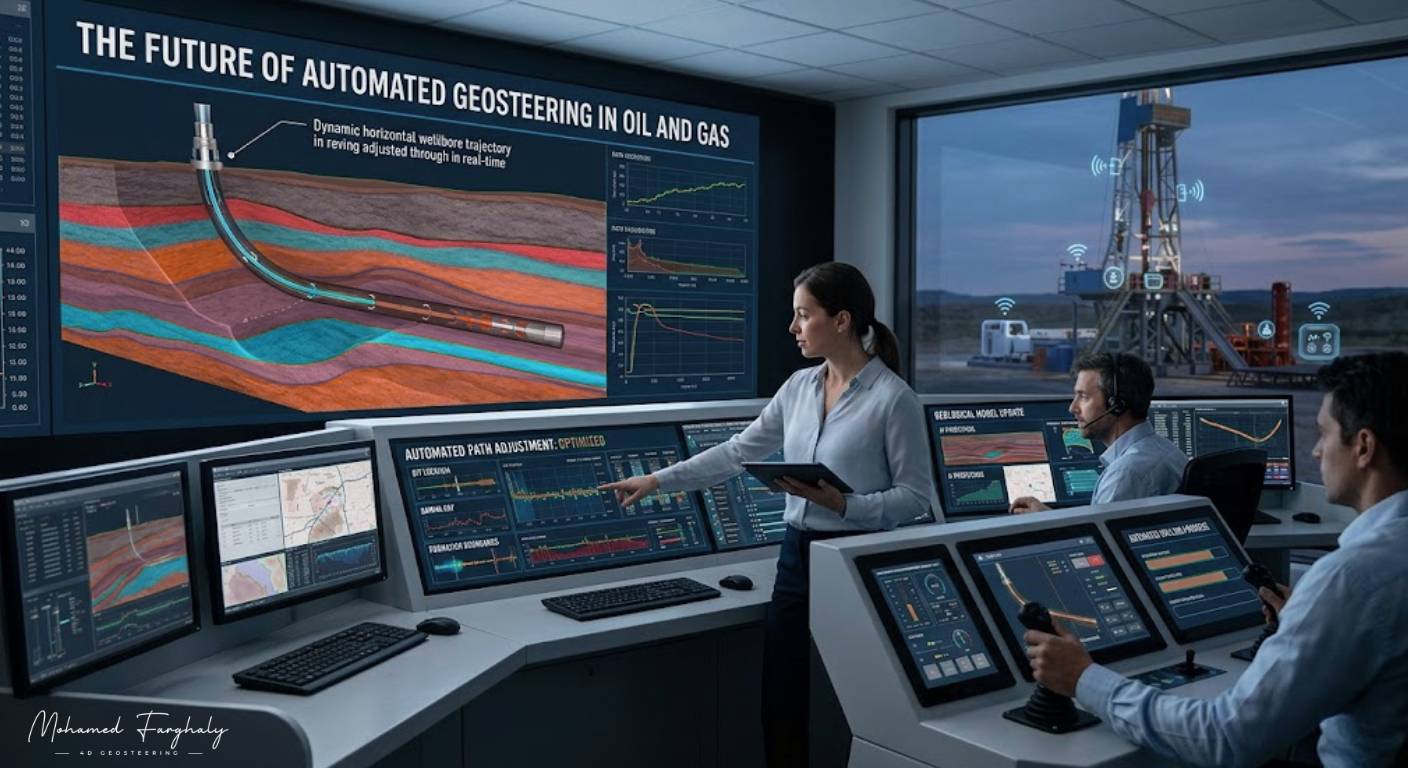
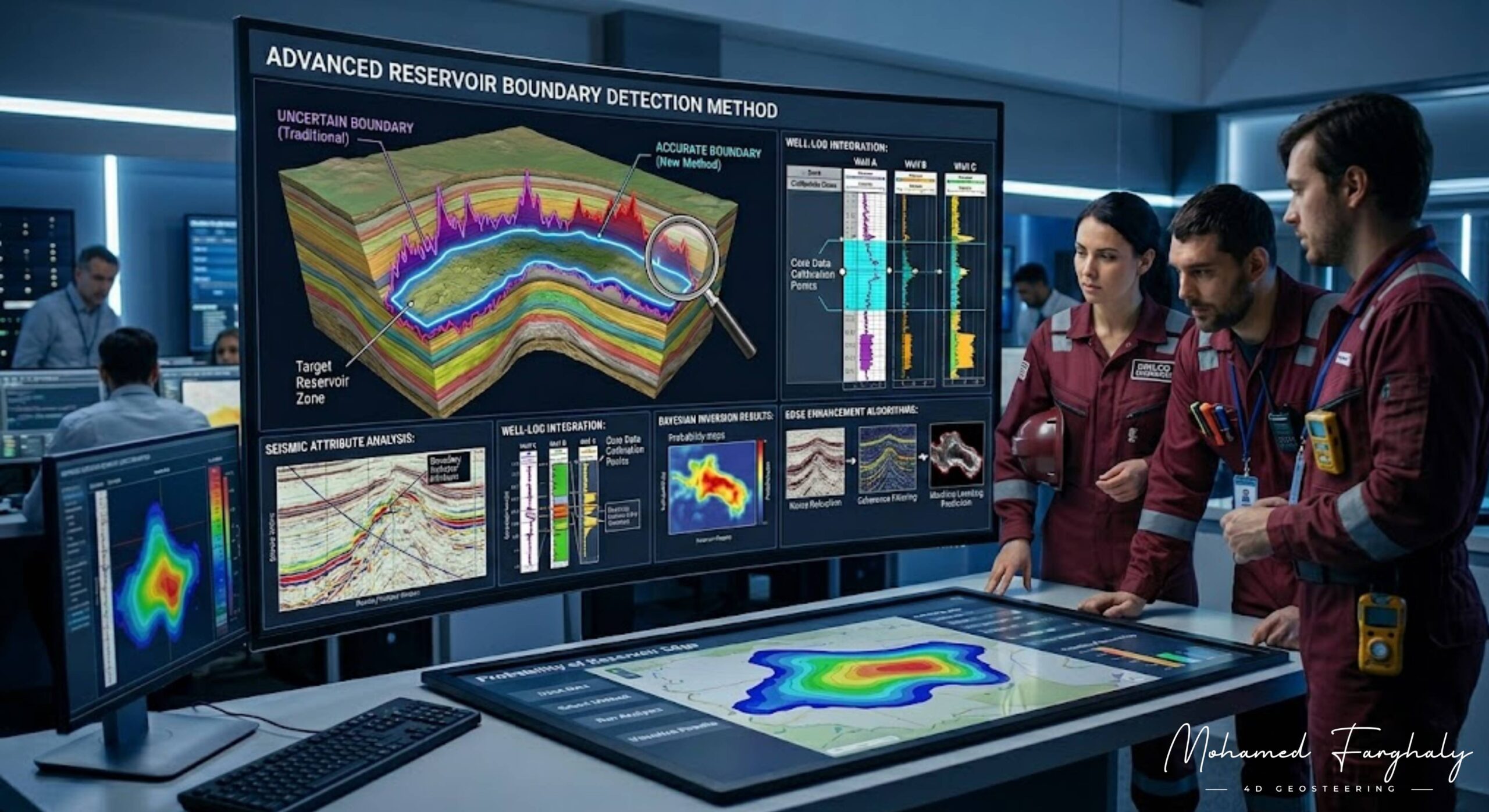
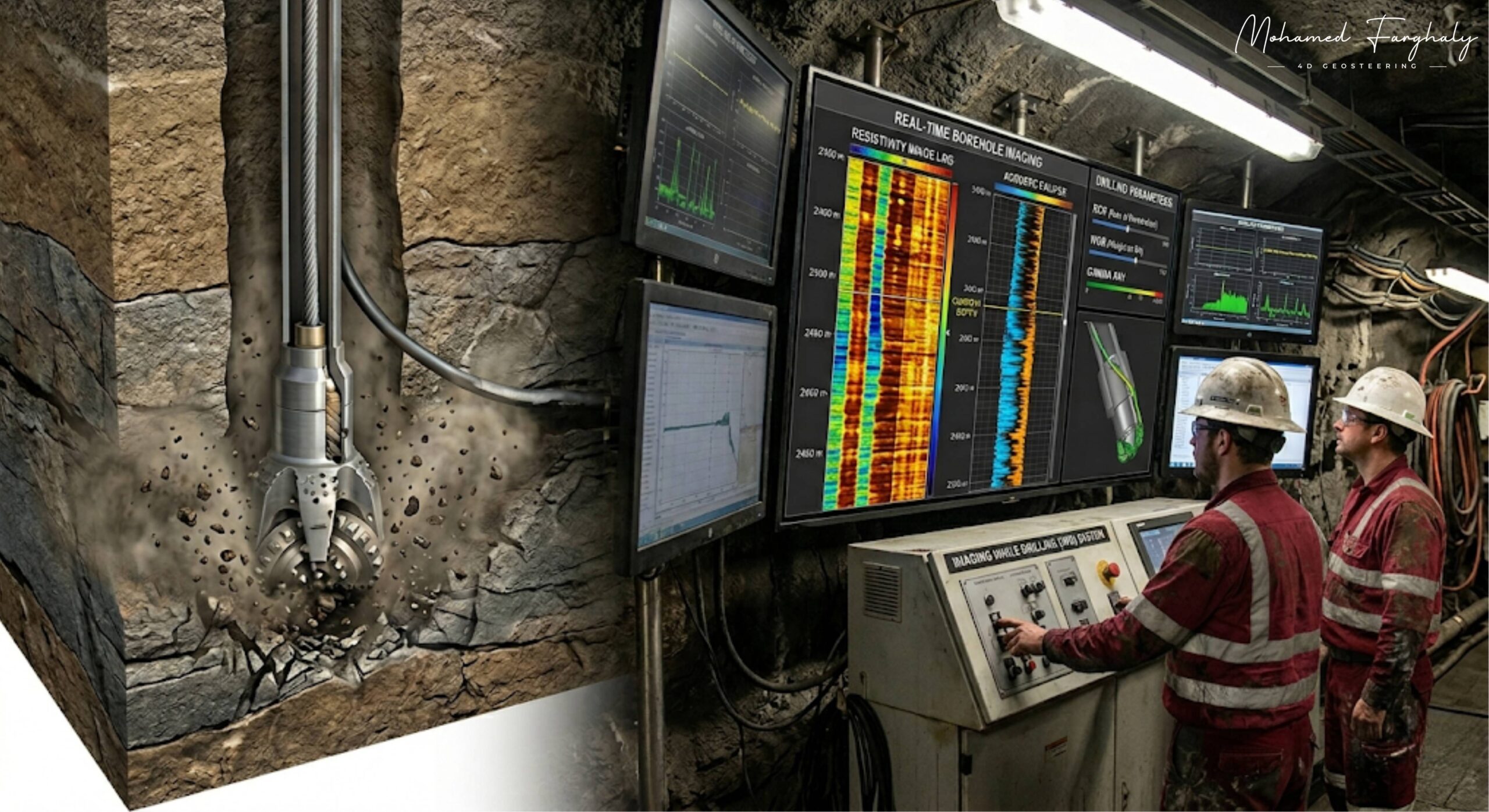
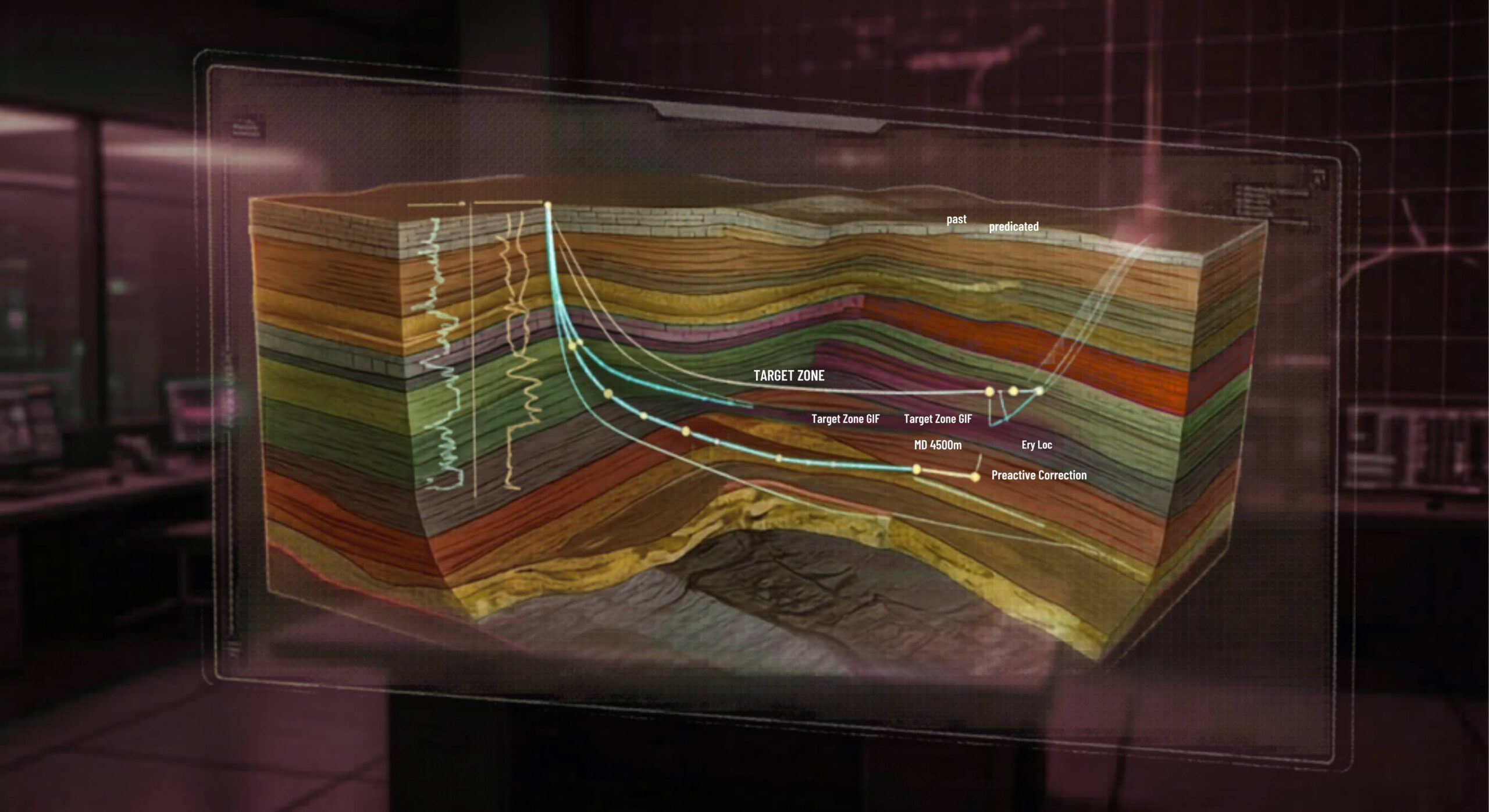
Automated geosteering uses software algorithms to process large volumes of real-time data and generate steering recommendations automatically. These systems continuously compare incoming measurements against geological models and calculate the most likely reservoir position.
Modern automation platforms can evaluate thousands of possible geological scenarios within seconds. Many systems incorporate machine learning, probabilistic inversion, and uncertainty analysis to improve prediction accuracy and support faster decision-making.
The primary advantage of automation is speed. Automated systems can analyze data continuously without fatigue, enabling rapid responses to changing downhole conditions. They also provide greater consistency by applying the same methodology throughout the drilling operation.
Despite these benefits, automated systems depend heavily on data quality, model accuracy, and algorithm assumptions. If the geological model is incorrect or the incoming data contains errors, automated recommendations may become unreliable.
Key Differences Between Manual and Automated Geosteering
Risk Management: Manual interpretation offers expert judgment, while automation reduces repetitive analysis and potential human error.
Decision Speed: Automated systems provide near-instant recommendations, while manual workflows require interpretation time.
Consistency: Automation delivers standardized results, whereas manual interpretation can vary between individuals.
Geological Flexibility: Human experts often perform better when encountering unexpected geological conditions.
Data Processing: Automated systems can handle significantly larger volumes of real-time data.
🔗 Keywords
Geosteering Automation, Automated Geosteering, Real-Time Geosteering, Machine Learning in Oil and Gas, LWD Data, Formation Evaluation, Well Placement, Geosteering Risks, Geosteering Limitations, Digital Oilfield, Drilling Automation, Reservoir Navigation.